From Habsburg courtyards to Gran Vía lights
A city’s history told through its streets — best seen from an open‑top seat.
Table of Contents
From outpost to capital
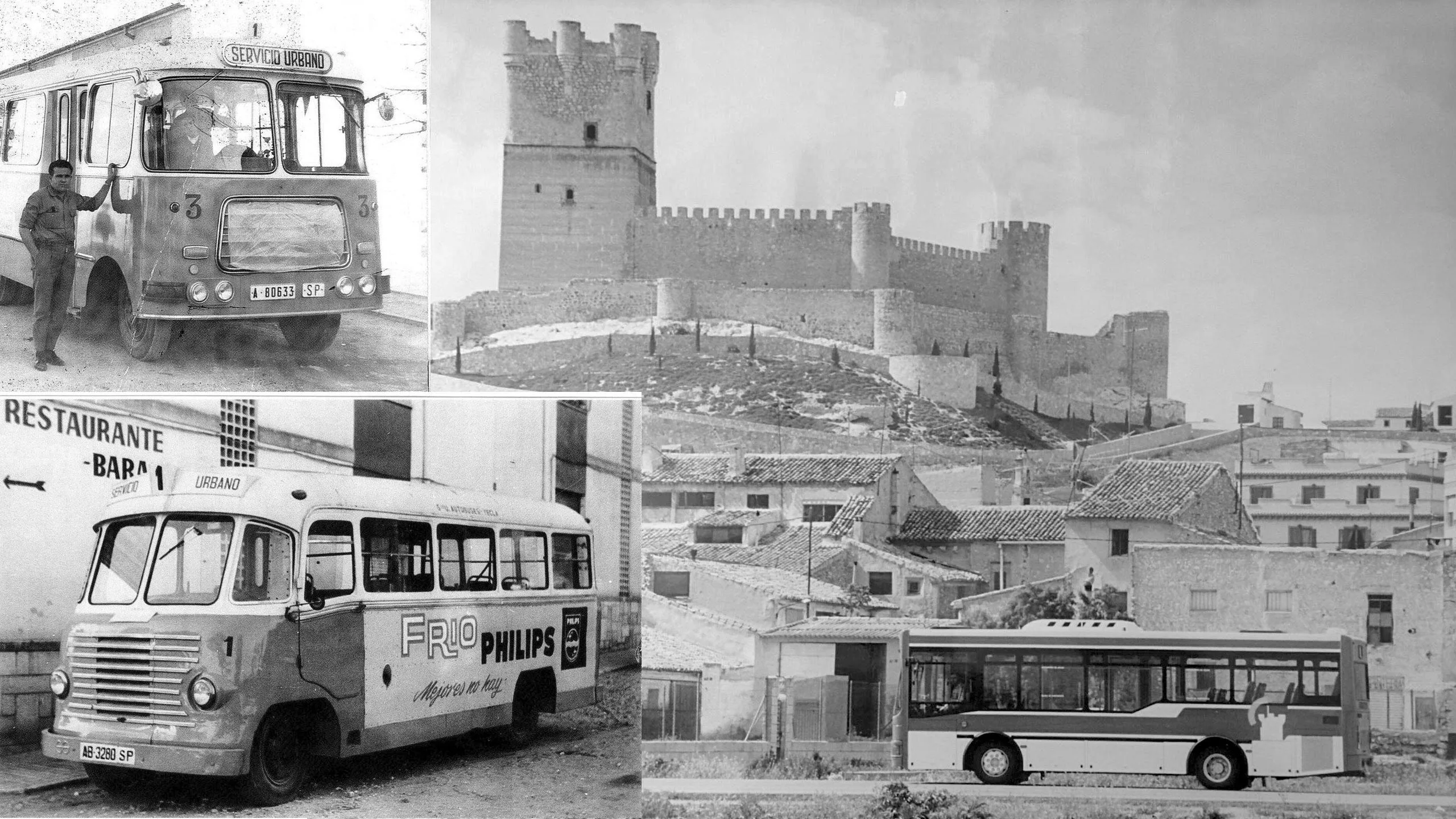
Long before it was a capital, Madrid was a fortified outpost watching the plains — a place of springs and high, clear light. Slowly, streets knitted around the fortress; markets hummed, chapels rose, and alleyways learned the curve of the hill.
When the court moved here, everything accelerated. Craftsmen, merchants, and dreamers poured in. New squares appeared to stage the city’s daily theater: bargaining, gossip, proclamations, and processions. The bones of that early city still frame your bus ride today — narrow lanes opening suddenly onto sunlit plazas.
Habsburg Madrid (Los Austrias)
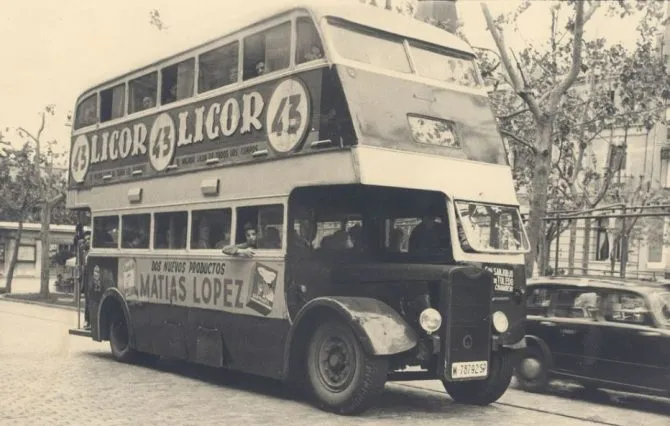
The Habsburg era carved out the Madrid of courtyards and cloisters. Plaza Mayor became a grand stage for the city’s drama — markets and festivals by day, torch‑lit spectacles by night. Streets unfurl from here like old ribbons, each curve revealing a church tower or a taverna where history lingers in the wood.
Your bus passes this district’s edges so you can hop off to wander its heart: a warren of brick and slate, of iron balconies and tiled signs. It’s the Madrid of painters and playwrights, of guilds and guilders — the seedbed of a capital’s identity.
Bourbon vision and grand avenues
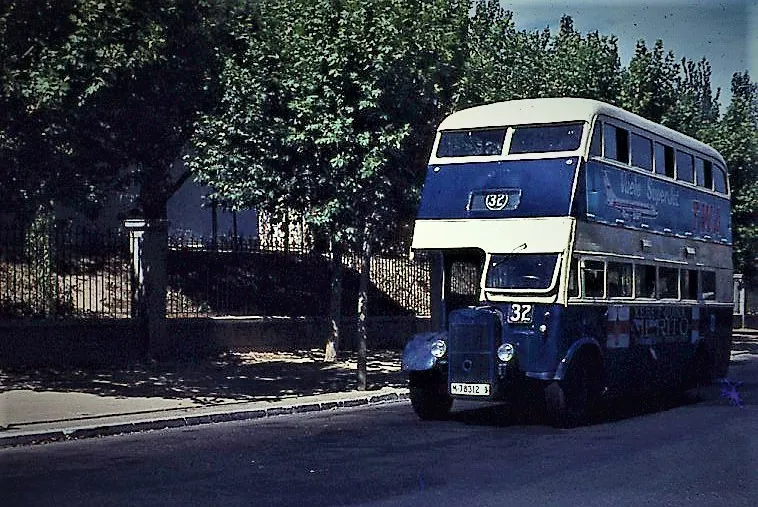
With the Bourbons came a taste for order and ceremony: long, tree‑lined avenues; fountains that made water dance; gates to announce the city with flourish. The Puerta de Alcalá still stands like a fan snapped open, greeting travelers with marble confidence.
The axis along today’s Art Walk grew from this vision — avenues meant for strolling, for parades, for the slow pleasure of seeing and being seen. Your open‑top seat revives that original purpose: a moving promenade under a vault of trees.
The Art Walk: Prado to Reina Sofía
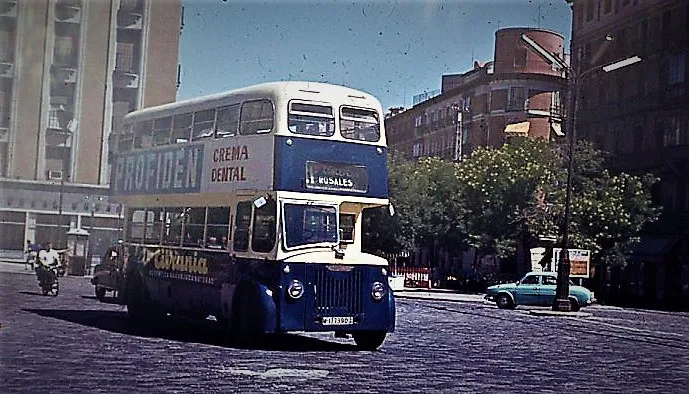
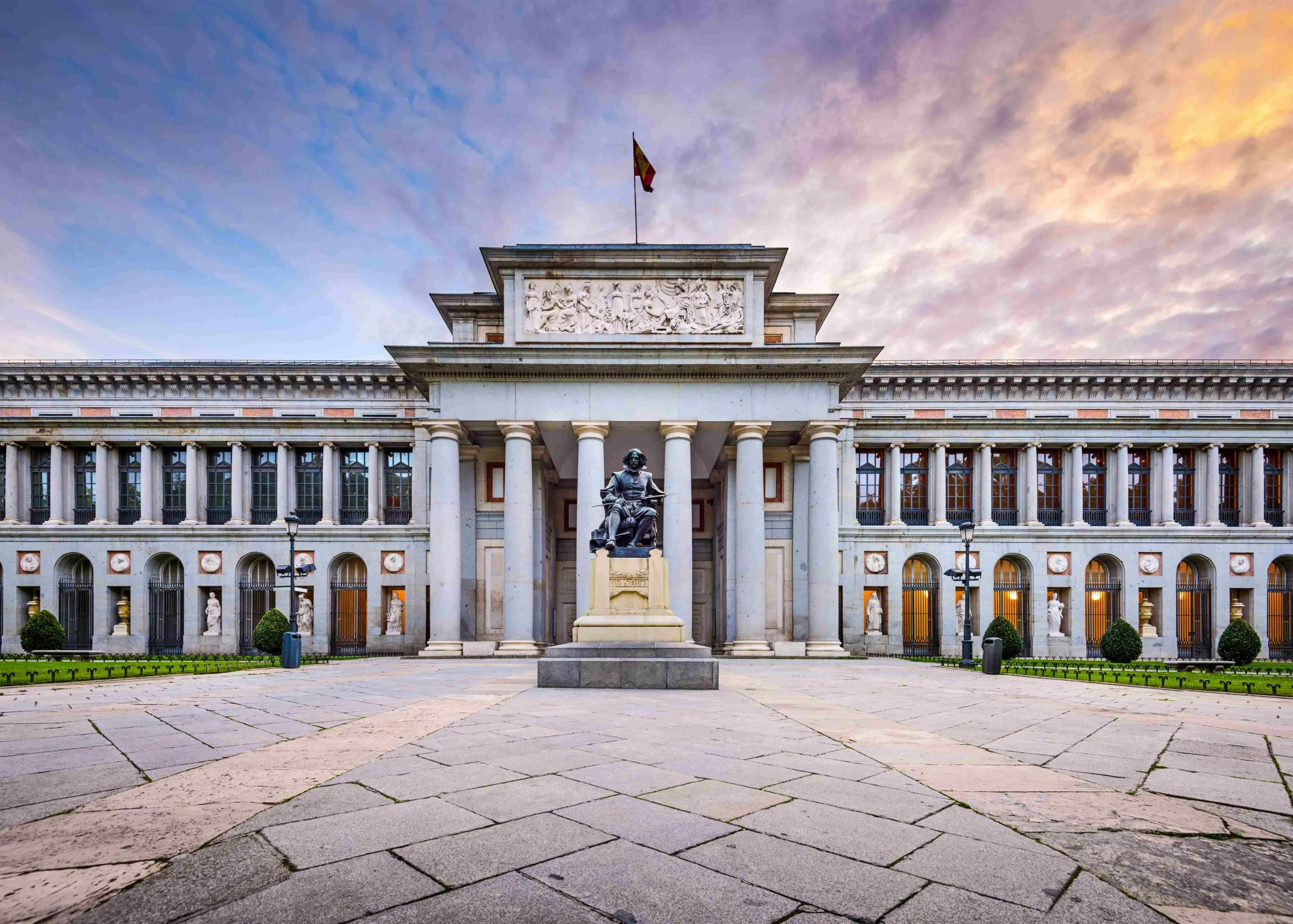
Few cities can match this concentration of art. In minutes you can step from Velázquez to Picasso, from Goya’s Black Paintings to Miró’s playful worlds. Even the spaces in between — gardens, fountains, cafés — feel curated for lingering.
Hop off to see a masterpiece or two, then drift back to the bus. The commentary ties eras together as you roll on: royal portraits giving way to modern angles and new voices.
Plazas, markets & everyday life
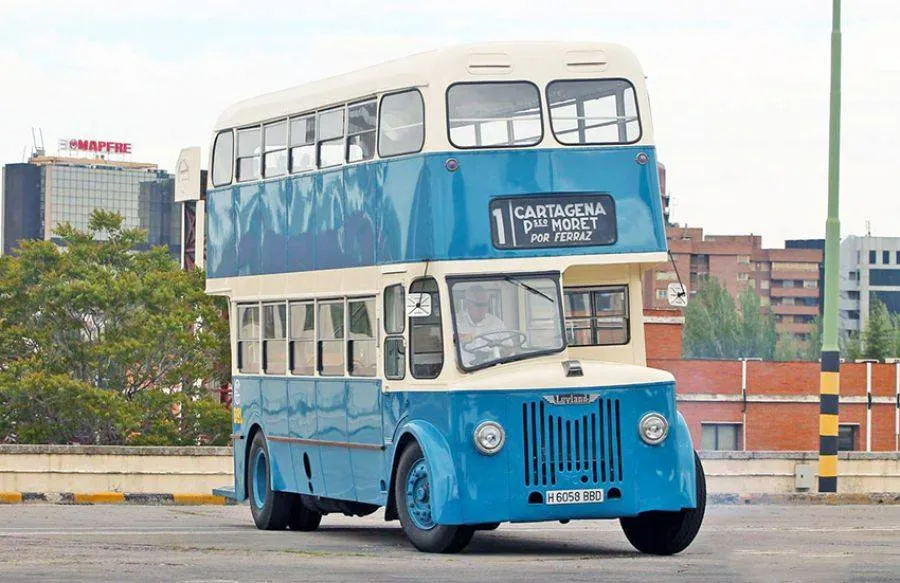
Madrid’s plazas are outdoor living rooms. In the morning, deliveries rattle over cobbles; by noon, the air smells of saffron and grilled squid; by evening, guitars brush the last light from the stones.
Markets like San Miguel or San Ildefonso offer a modern spin on tradition. Hop off, sample, and listen — half the city’s charm is in these small sounds and flavors.
Gran Vía and a century of style
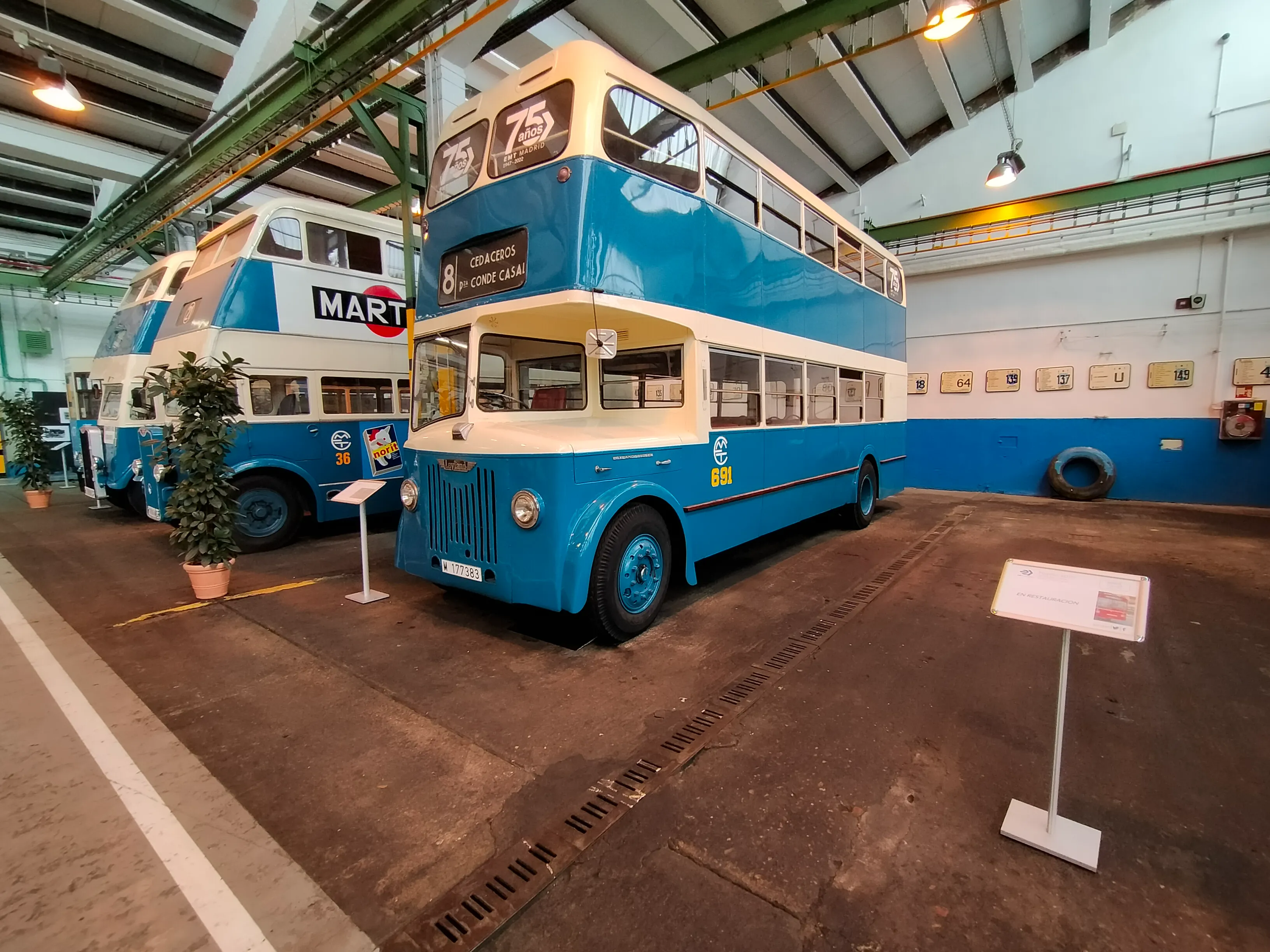
Gran Vía arrived with the 20th century — a boulevard of theaters, rooftops, and bright marquees. Its facades dream in stone: Art Deco curves, Beaux‑Arts grandeur, and sly modern lines that catch the sunset.
From the upper deck, it’s an unfolding film strip: neon igniting, shop windows glittering, the city sliding toward night with the easy confidence of a star.
Routes and stops explained
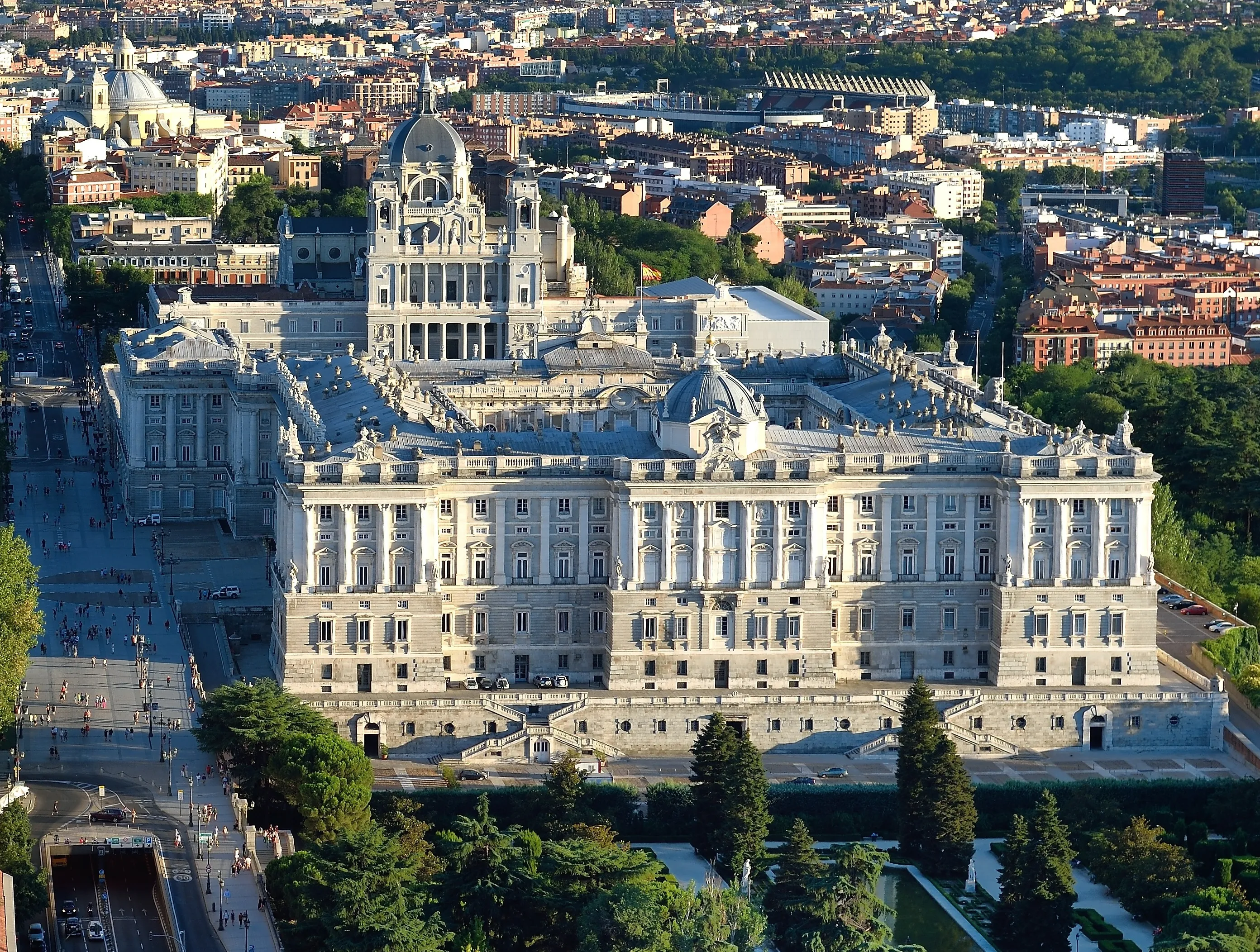
Route 1 stitches together the historic center: Royal Palace, Plaza de España, Gran Vía, Cibeles, the Art Walk, and back. Route 2 runs north: Castellana’s business heart, the Bernabéu, Nuevos Ministerios, and leafy neighborhoods with wide, modern vistas.
Switch lines where they cross to tailor your day. Fun fact: the Bernabéu stop often buzzes with football lore — even non‑fans feel the stadium’s magnetism.
Safety, comfort & accessibility
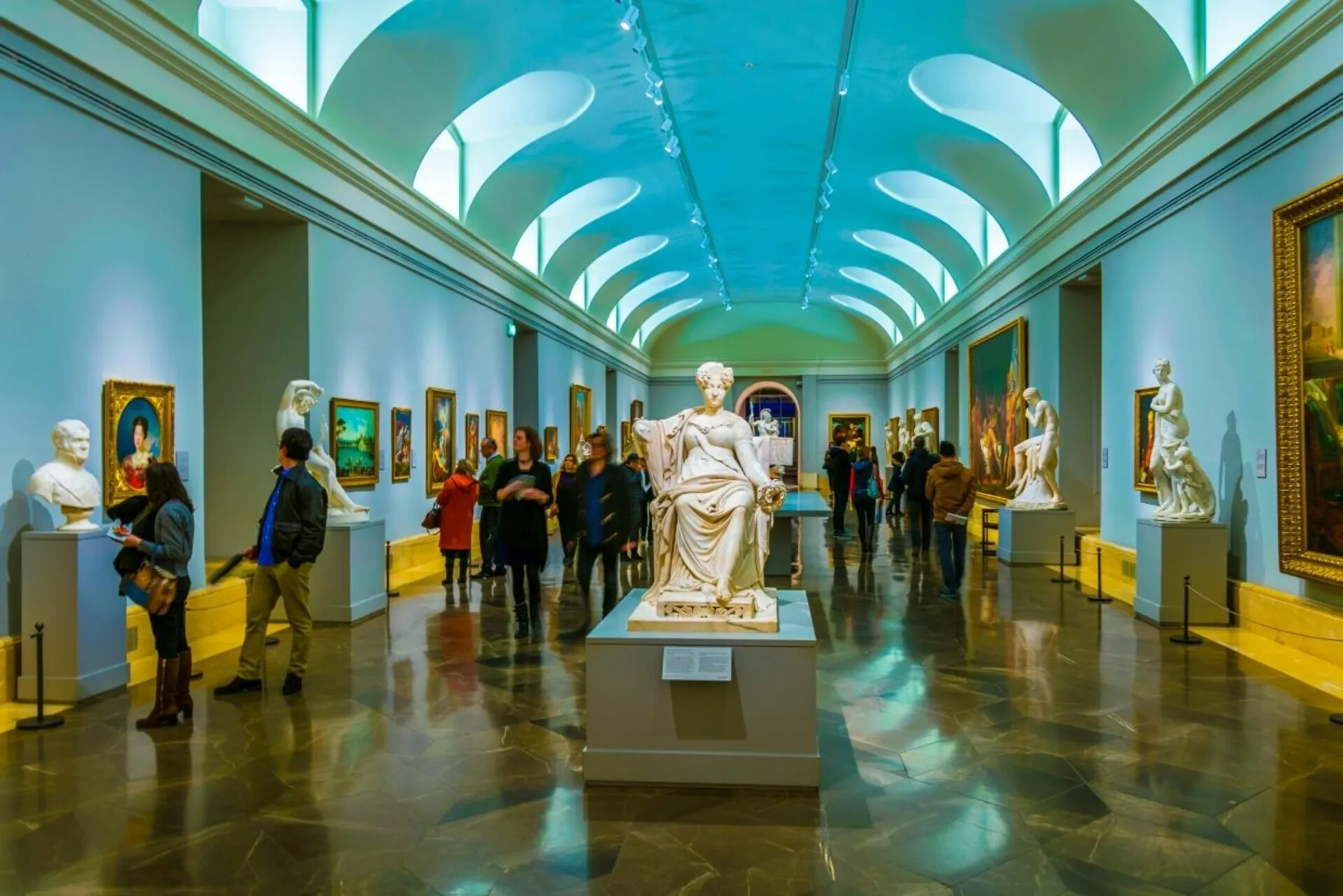
Buses are regularly maintained and driven by trained staff. Keep arms inside on the upper deck, mind low branches, and secure hats or scarves on breezy days.
Low‑floor entry, dedicated spaces, and priority seating support accessible travel. If a feature isn’t available on one bus, the next usually is.
Festivals, football & street culture
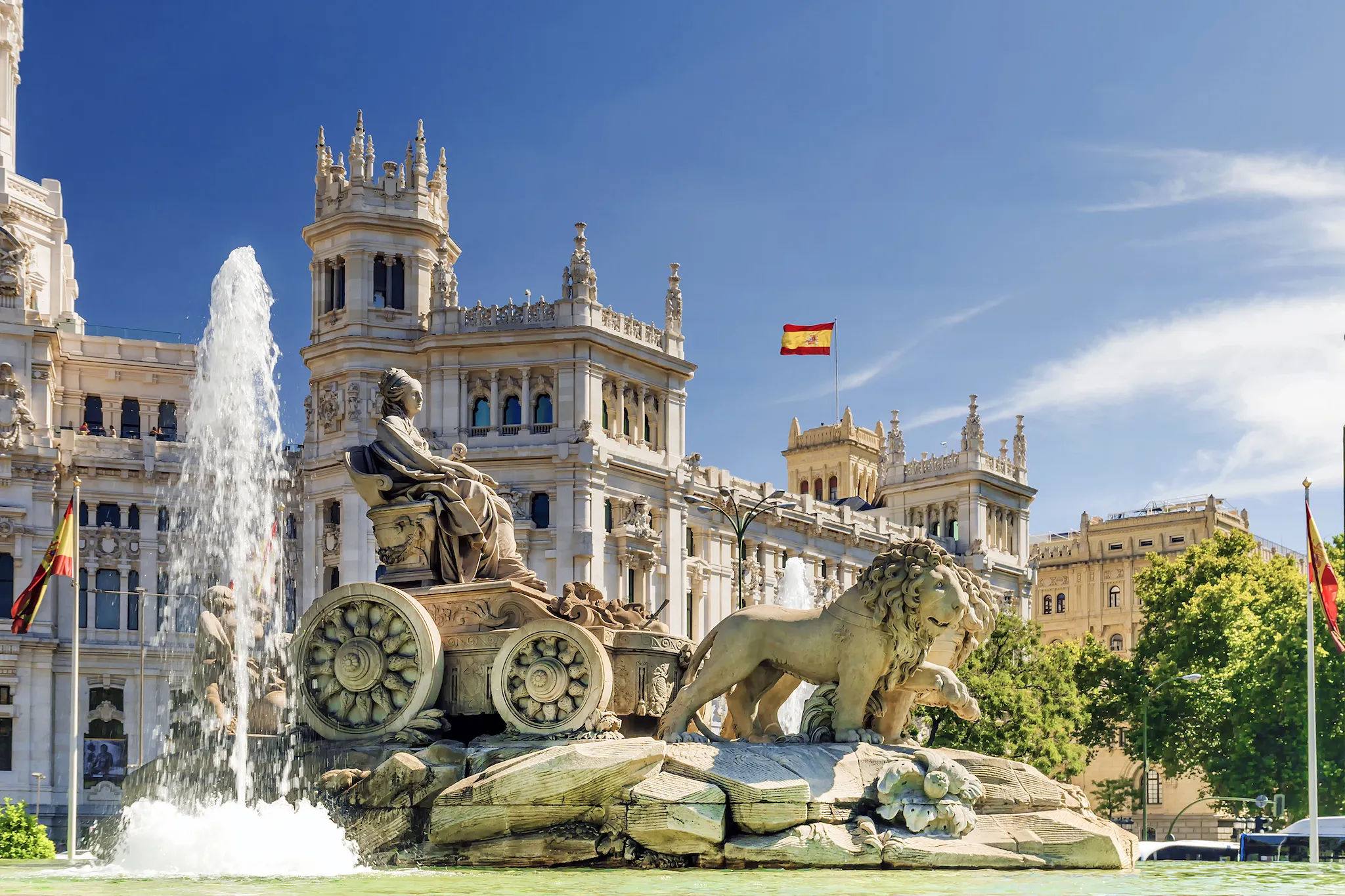
Madrid celebrates with gusto — from San Isidro’s chulapo outfits and open‑air concerts to book fairs under plane trees. The city turns squares into stages and parks into parlors.
When Real Madrid lifts a trophy, the fountain at Cibeles becomes a sea of flags. Hop off if you stumble into a celebration — it’s a lesson in joyful noise.
Tickets, passes & combos
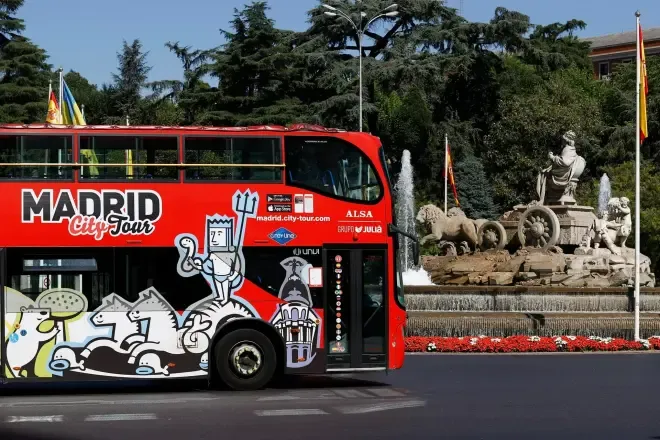
Buy passes online and board at any stop with your phone. Pick one or two days, then add entries to popular sites if you like.
Some combos pair the bus with museums or a stadium visit. They’re great value if you’re set on those highlights.
Preservation & greener travel
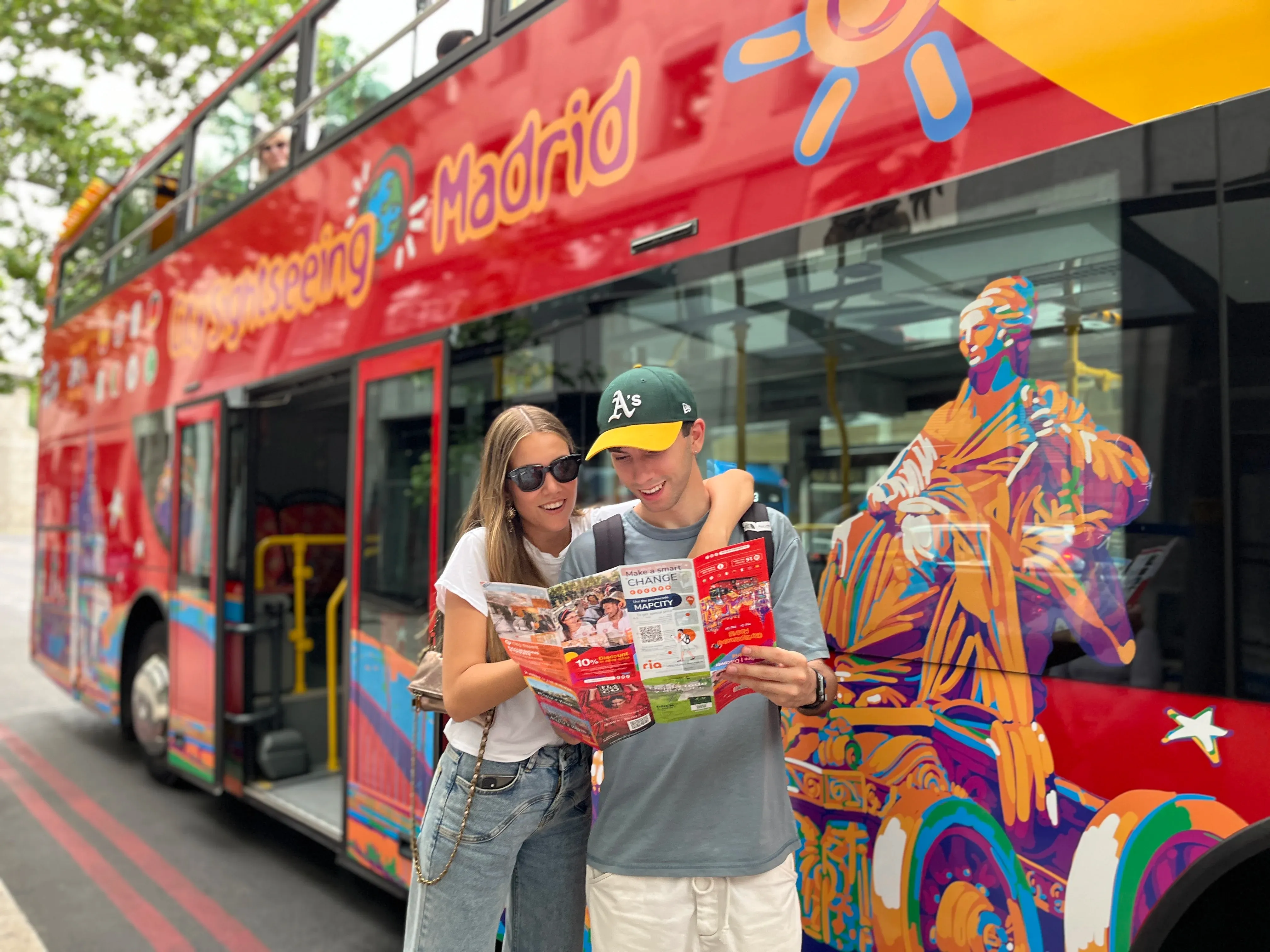
Shared transport lightens city traffic. Choosing a bus for long crossings, then walking the rest, balances convenience with a smaller footprint.
Reuse your earphones if possible, carry a refillable water bottle, and time your visits to spread crowds more evenly.
Parks, viewpoints & sunset spots
Retiro’s lake and Crystal Palace are daytime classics, while the Temple of Debod glows at sunset with the royal skyline beyond.
Rooftop terraces along Gran Vía and Plaza de España make lovely evening pauses — another good reason to keep your pass handy until dusk.
Why a bus tour fits Madrid
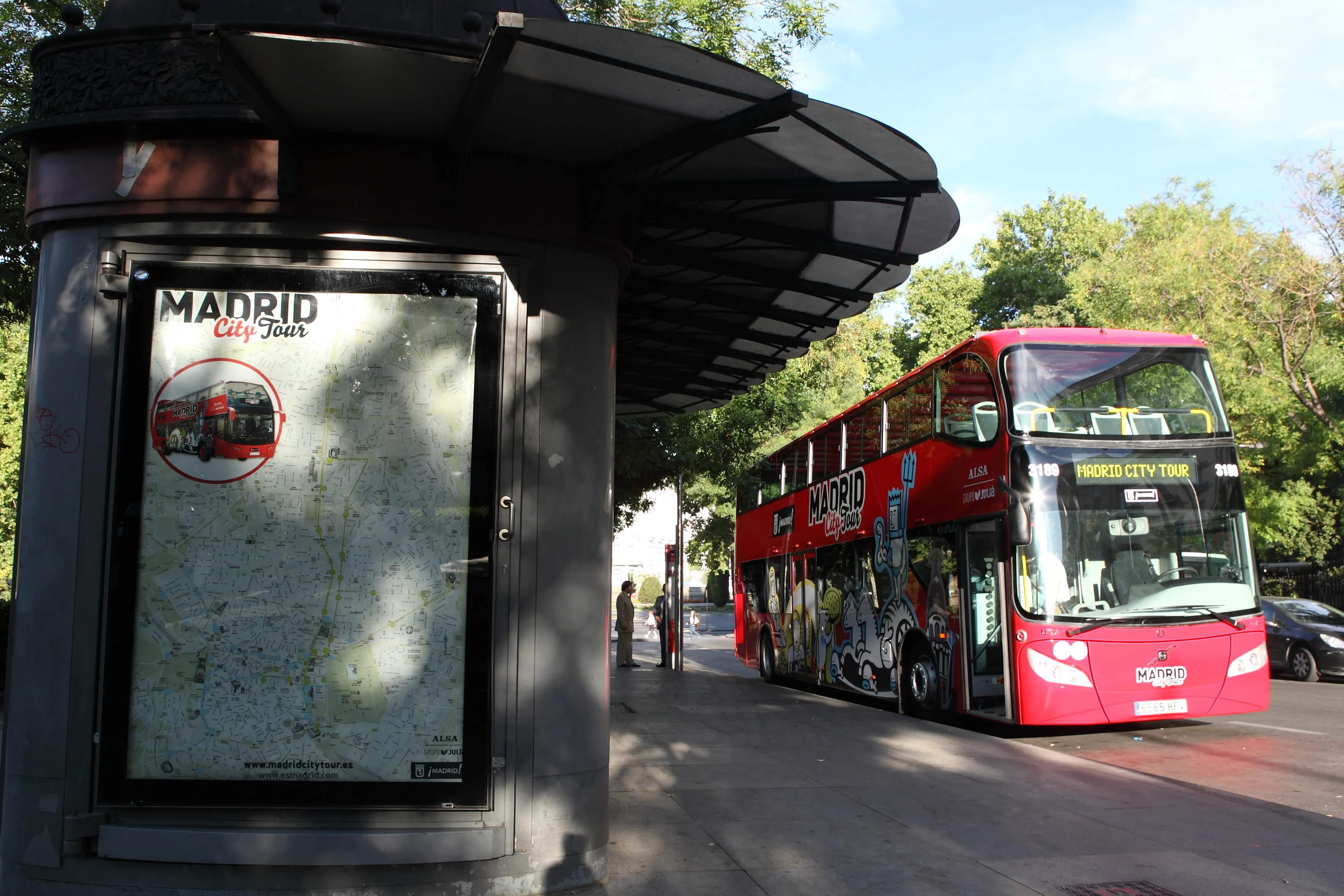
Madrid is a city of vistas — long avenues and generous squares — tailor‑made for an open‑top glide between stories.
Hop‑on hop‑off gives you the sweep of the city and the freedom to linger. It’s a simple way to gather memories without rushing.
Table of Contents
From outpost to capital
Long before it was a capital, Madrid was a fortified outpost watching the plains — a place of springs and high, clear light. Slowly, streets knitted around the fortress; markets hummed, chapels rose, and alleyways learned the curve of the hill.
When the court moved here, everything accelerated. Craftsmen, merchants, and dreamers poured in. New squares appeared to stage the city’s daily theater: bargaining, gossip, proclamations, and processions. The bones of that early city still frame your bus ride today — narrow lanes opening suddenly onto sunlit plazas.
Habsburg Madrid (Los Austrias)
The Habsburg era carved out the Madrid of courtyards and cloisters. Plaza Mayor became a grand stage for the city’s drama — markets and festivals by day, torch‑lit spectacles by night. Streets unfurl from here like old ribbons, each curve revealing a church tower or a taverna where history lingers in the wood.
Your bus passes this district’s edges so you can hop off to wander its heart: a warren of brick and slate, of iron balconies and tiled signs. It’s the Madrid of painters and playwrights, of guilds and guilders — the seedbed of a capital’s identity.
Bourbon vision and grand avenues
With the Bourbons came a taste for order and ceremony: long, tree‑lined avenues; fountains that made water dance; gates to announce the city with flourish. The Puerta de Alcalá still stands like a fan snapped open, greeting travelers with marble confidence.
The axis along today’s Art Walk grew from this vision — avenues meant for strolling, for parades, for the slow pleasure of seeing and being seen. Your open‑top seat revives that original purpose: a moving promenade under a vault of trees.
The Art Walk: Prado to Reina Sofía
Few cities can match this concentration of art. In minutes you can step from Velázquez to Picasso, from Goya’s Black Paintings to Miró’s playful worlds. Even the spaces in between — gardens, fountains, cafés — feel curated for lingering.
Hop off to see a masterpiece or two, then drift back to the bus. The commentary ties eras together as you roll on: royal portraits giving way to modern angles and new voices.
Plazas, markets & everyday life
Madrid’s plazas are outdoor living rooms. In the morning, deliveries rattle over cobbles; by noon, the air smells of saffron and grilled squid; by evening, guitars brush the last light from the stones.
Markets like San Miguel or San Ildefonso offer a modern spin on tradition. Hop off, sample, and listen — half the city’s charm is in these small sounds and flavors.
Gran Vía and a century of style
Gran Vía arrived with the 20th century — a boulevard of theaters, rooftops, and bright marquees. Its facades dream in stone: Art Deco curves, Beaux‑Arts grandeur, and sly modern lines that catch the sunset.
From the upper deck, it’s an unfolding film strip: neon igniting, shop windows glittering, the city sliding toward night with the easy confidence of a star.
Routes and stops explained
Route 1 stitches together the historic center: Royal Palace, Plaza de España, Gran Vía, Cibeles, the Art Walk, and back. Route 2 runs north: Castellana’s business heart, the Bernabéu, Nuevos Ministerios, and leafy neighborhoods with wide, modern vistas.
Switch lines where they cross to tailor your day. Fun fact: the Bernabéu stop often buzzes with football lore — even non‑fans feel the stadium’s magnetism.
Safety, comfort & accessibility
Buses are regularly maintained and driven by trained staff. Keep arms inside on the upper deck, mind low branches, and secure hats or scarves on breezy days.
Low‑floor entry, dedicated spaces, and priority seating support accessible travel. If a feature isn’t available on one bus, the next usually is.
Festivals, football & street culture
Madrid celebrates with gusto — from San Isidro’s chulapo outfits and open‑air concerts to book fairs under plane trees. The city turns squares into stages and parks into parlors.
When Real Madrid lifts a trophy, the fountain at Cibeles becomes a sea of flags. Hop off if you stumble into a celebration — it’s a lesson in joyful noise.
Tickets, passes & combos
Buy passes online and board at any stop with your phone. Pick one or two days, then add entries to popular sites if you like.
Some combos pair the bus with museums or a stadium visit. They’re great value if you’re set on those highlights.
Preservation & greener travel
Shared transport lightens city traffic. Choosing a bus for long crossings, then walking the rest, balances convenience with a smaller footprint.
Reuse your earphones if possible, carry a refillable water bottle, and time your visits to spread crowds more evenly.
Parks, viewpoints & sunset spots
Retiro’s lake and Crystal Palace are daytime classics, while the Temple of Debod glows at sunset with the royal skyline beyond.
Rooftop terraces along Gran Vía and Plaza de España make lovely evening pauses — another good reason to keep your pass handy until dusk.
Why a bus tour fits Madrid
Madrid is a city of vistas — long avenues and generous squares — tailor‑made for an open‑top glide between stories.
Hop‑on hop‑off gives you the sweep of the city and the freedom to linger. It’s a simple way to gather memories without rushing.